
Ceylon Tea — One of the Finest in the World, and Why Dilmah Stands Apart
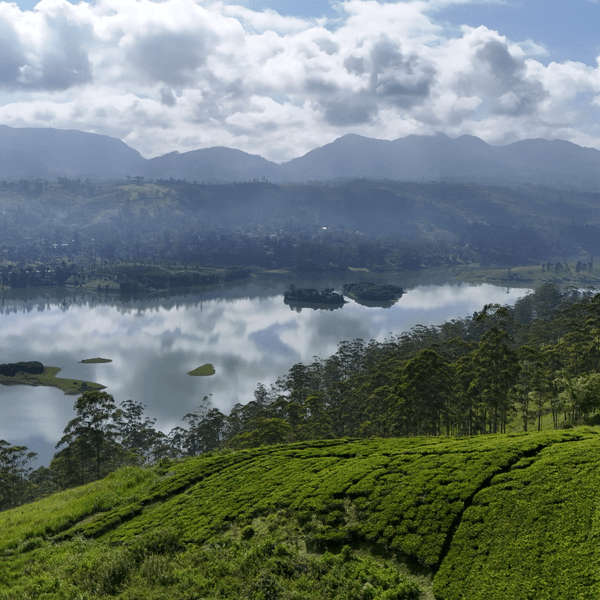
There are teas, and then there is Ceylon Tea. Grown on the lush, mist-wrapped hillsides of Sri Lanka — the island once known as Ceylon — this single origin tea has, for over a century and a half, held its place among the most celebrated beverages on earth. Ceylon Tea is one of the finest in the world, not merely by reputation, but by the measurable qualities that distinguish it: its unique terroir, its extraordinary range of flavour profiles, its unmatched freshness, and the integrity with which it is produced at its best. And when it comes to who best embodies that standard of excellence, one name stands above the rest — Dilmah.
Sri Lanka's story with tea begins in 1867, when James Taylor — a British planter — first cultivated tea in the Loolecondera estate in Kandy. What followed was nothing short of remarkable. Within decades, the island had transformed from a coffee-growing colony devastated by leaf rust into one of the world's foremost tea-producing nations. Today, Sri Lanka is consistently ranked among the top five tea exporters globally, and Ceylon Tea carries a geographical indication that protects its origin, quality, and provenance.
What sets Ceylon Tea apart is the extraordinary diversity born from the island's geography. Sri Lanka's tea-growing regions span dramatically different altitudes — from the low-grown estates near sea level to the high-grown gardens above 4,000 feet in Nuwara Eliya, Dimbula, and Uva. Each elevation and microclimate produces tea with its own distinct character.
Nuwara Eliya, often called the Champagne of Ceylon Teas, yields light, delicate teas with floral notes and a gentle astringency. Dimbula produces full-bodied teas with rich colour and a brisk, invigorating character, ideal for a classic morning cup. Uva offers teas with a unique dry, almost minty quality that is shaped by the region's seasonal winds. Kandy and the low-grown regions contribute bold, strongly coloured teas with earthy, robust depth.
This diversity means that Ceylon Tea is not a monolith — it is a spectrum of extraordinary tastes, all united by the island's equatorial sun, clean mountain air, and rainfall-rich climate that conspire to produce a leaf of unrivalled freshness and complexity.
The island's tea is overwhelmingly produced as a single origin product — leaves from Sri Lanka, processed in Sri Lanka. Unlike blended teas that draw from multiple origins across the globe, a true Ceylon Tea offers traceability and authenticity. The leaf from a Sri Lankan estate can travel from garden to cup in a matter of weeks, preserving the volatile aromatic compounds that give fine tea its brilliance.
Sri Lanka's mountainous estates benefit from high rainfall, warm days, cool nights, and well-drained soils — conditions that slow the growth of the tea bush and concentrate flavour in the leaf. Many estates continue to employ handpicking, ensuring only the finest two leaves and a bud are harvested.
Ceylon Tea's Lion Logo — awarded only to teas packed in Sri Lanka — is one of the world's most recognised marks of tea quality. It is a guarantee that what is in the pack has not been bulked out, blended with inferior leaves from elsewhere, or degraded through poor handling.
Ceylon Tea is rich in antioxidants, flavonoids, and polyphenols. Studies have increasingly recognised the role of these compounds in supporting cardiovascular health, immune function, and cognitive wellbeing — making Ceylon Tea not only a sensory pleasure but a meaningful contribution to a healthy lifestyle.
In a global tea industry driven by commodity trading, blending for price, and aggressive corporate consolidation, Dilmah is a singular and courageous exception. Founded in 1988 by Merrill J. Fernando — a man who spent decades in the tea trade before resolving to change it — Dilmah was built on a principle that was, at the time, almost radical: that tea should be single origin, freshly packed at source, and ethically produced.
Most international tea brands are blenders. They source leaves from multiple countries, mix them to a consistent house standard, and pack them abroad. The result is a tea that is predictable but stripped of its sense of place. Dilmah refused this model from day one. Every Dilmah tea is grown in Sri Lanka, and packed in Sri Lanka — not a marketing choice, but a philosophical one.
Merrill Fernando understood something the commodity tea trade often ignores: tea is a perishable product. Once the leaf is processed, its aromatic compounds begin to degrade. Dilmah's insistence on packing in Sri Lanka is, above all else, a commitment to the tea drinker's cup — to delivering a tea that is vivid, alive, and expressive rather than flat and stale.
Dilmah is one of the few major international tea brands that is entirely family-owned, which means its values — rather than shareholder return — drive every decision. A meaningful portion of Dilmah's profits flows directly into the MJF Charitable Foundation, which has, over decades, supported thousands of tea estate workers and their families through healthcare, education, housing, and livelihoods programmes.
From the flagship Dilmah Premium Ceylon Tea to the artisanal Single Region and Single Estate collections, from the celebrated t-Series blends to the exquisitely curated Watte range — Dilmah's portfolio is a love letter to the diversity of Ceylon Tea. Each line is crafted with the same foundational respect: the leaf is the hero.
Ceylon Tea is one of the finest in the world because the island that produces it is genuinely extraordinary — in its climate, its landscapes, and its people. And Dilmah stands apart because it has never stopped believing that those qualities deserve to reach the cup without compromise, every single time.